Getting Your Baby into the best position for an easier birth - Optimal Foetal Positioning
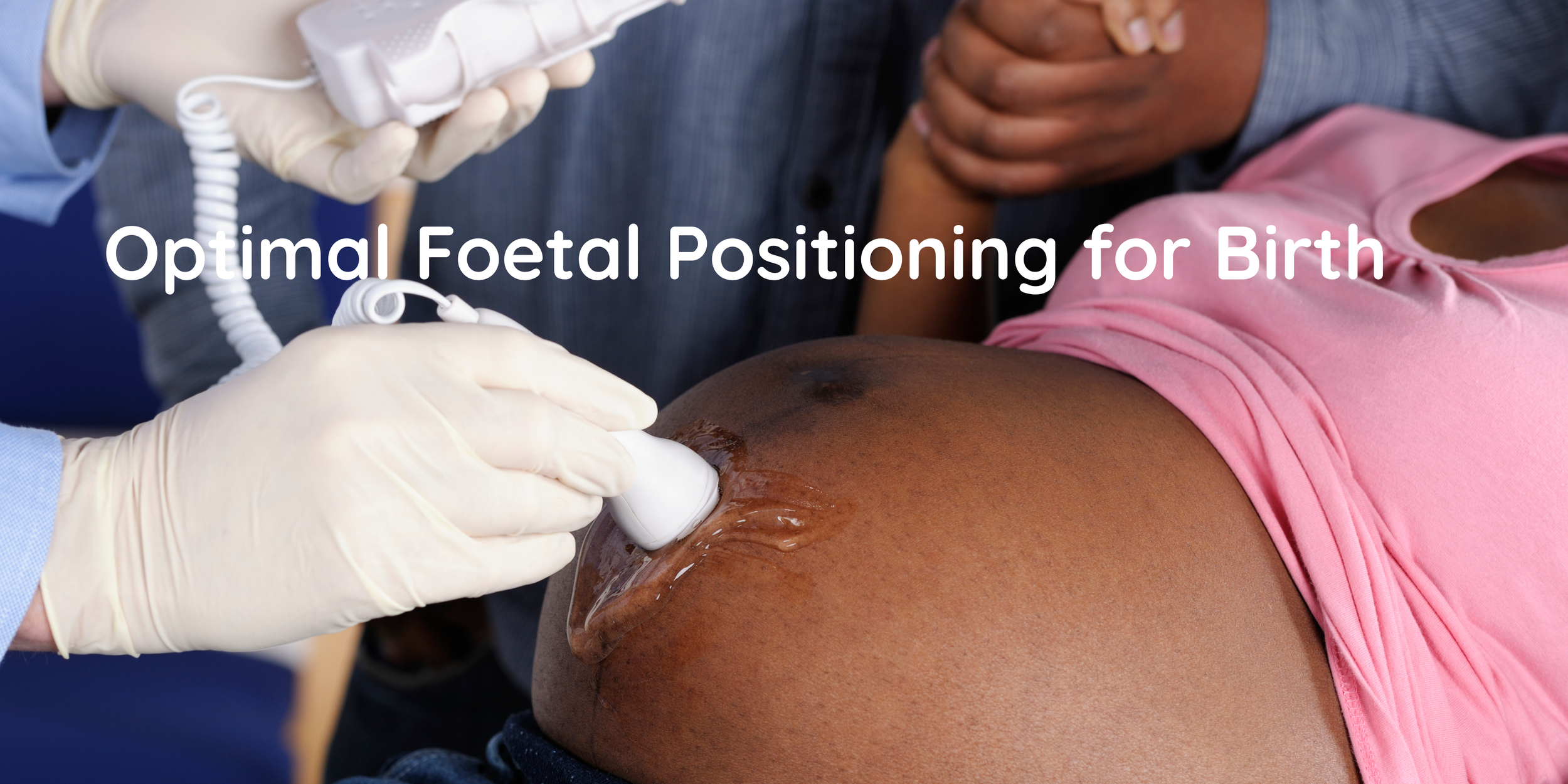
What is Optimal Foetal Positioning?
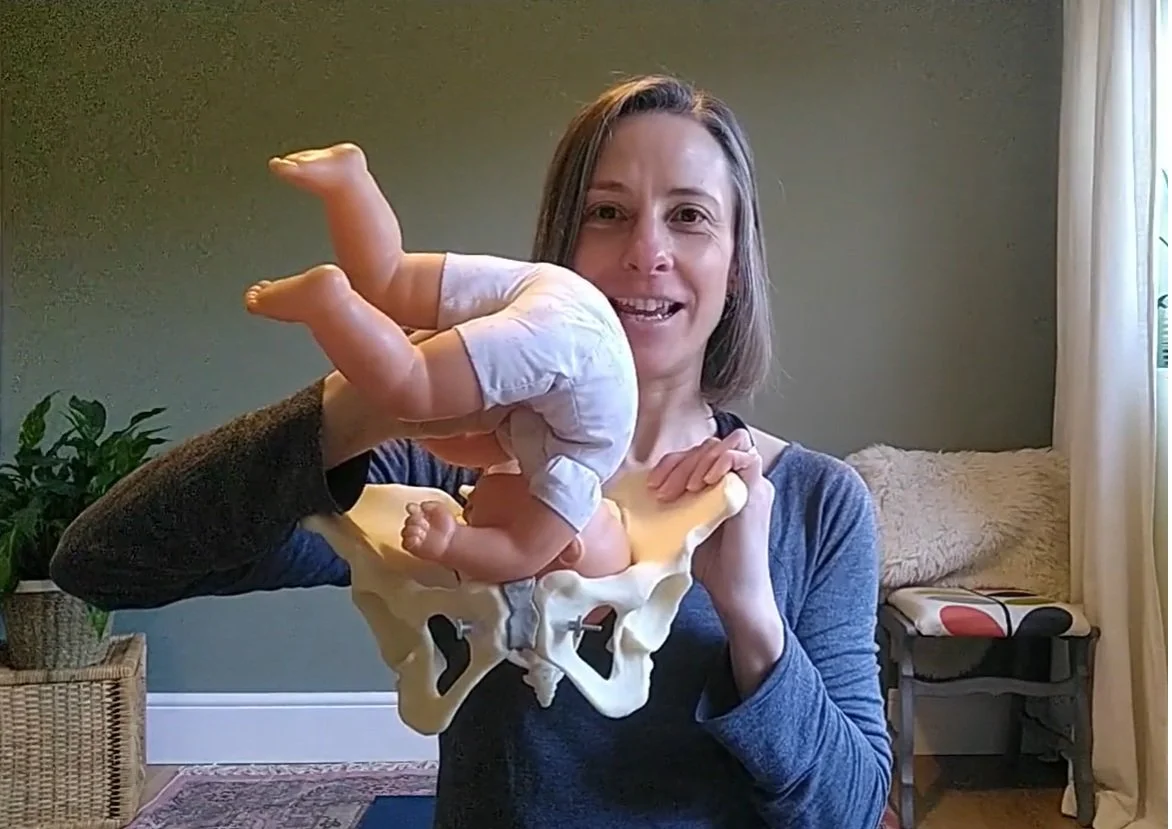
Ideally, we want baby to be in the best possible position for birth by the time we reach labour. This is called Optimal Foetal Positioning or OFP - when baby is head down with their spine to your left hand side. This positioning is most common for babies to naturally find their way into. Babies may also present head down with their spine to the right side.
Why is Optimal Foetal Positioning important?
OFP allows baby’s head to engage in the best way through the pelvis and for them to make an easier turn through the pelvis and out.
OFP usually means an easier, sometimes quicker birth and with less need for interventions such as ventouse, forceps or episiotomy and even caesarean section.
How to help baby into Optimal Foetal Positioning
Babies can find their way into this position before, at the start or during labour so it’s never too late for baby to find OFP.
But there are ways that you can help baby to find OFP throughout your pregnancy and particularly towards the end of pregnancy when baby engages their head down into the pelvis.
In my Northwich pregnancy yoga class we practice ways to support our body and enable our baby to find OFP more easily.
Here’s some of the key techniques that I teach and that you can use daily and are especially important from 3rd Trimester.
3 ways to help Optimal Foetal Positioning
1. Keep your pelvis in a good aligned position when sitting so that the pelvis is slightly tilted forward.
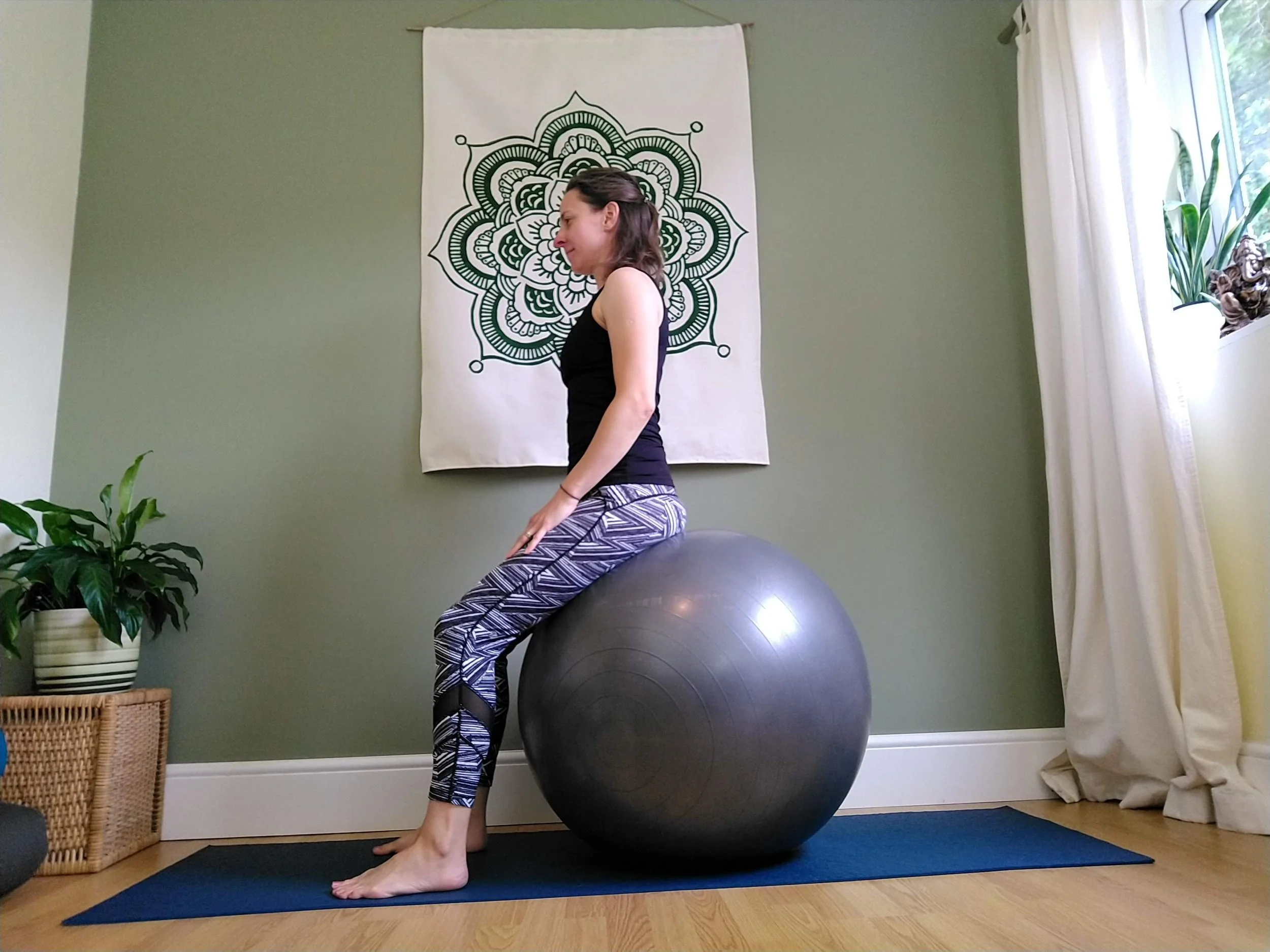
To do this sit with your hips higher than your knees so that your thighs slope down.
You can help this by using cushions on all your chairs including in the car, and keeping your birthing ball well inflated when you sit on it. This will help baby to understand the natural alignment of the pelvis and where down (the exit!) is.
When we sit with the pelvis tucked under which often happens if we are sitting on the sofa a lot, our baby will navigate into a back to back position with their spine leaning against your spine. Labour with a back to back baby can be longer and more uncomfortable as baby tries to navigate into OFP.
2. Think about spending time with your pelvis upright and forward and open – often referred to as UFO.

When our pelvis is upright, in its natural position (standing or sitting) or tilted further forward (leaning onto a counter or wall, or on hands and knees) it means that we're open through the pelvis and baby knows where down is. Try to spend a bit of time each day on your hands and knees - you can lean over a birthing ball or onto a chair seat, leaning forward on your kitchen counter, or the back of a chair walking gently etc etc – and don’t forget to sit hips higher than knees.
3. Lying on your left side to rest and sleep.
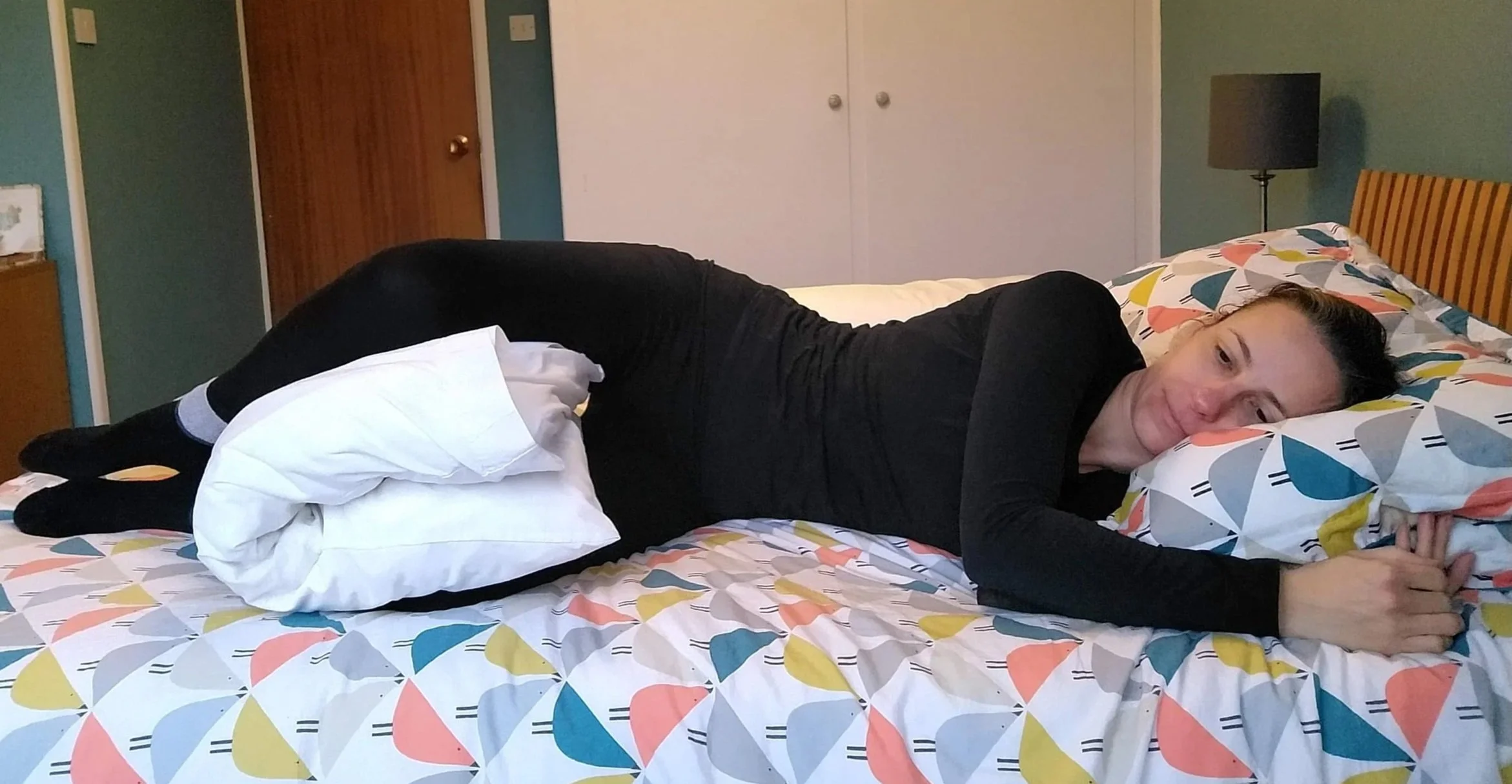
Because with OFP baby wants to be head down with their spine to your left, if you can rest and sleep on your side especially after 30 weeks, and particularly on your left side if you can, this will help baby find the OFP position more easily.
Side lying also allows the pelvis to be open and the tailbone to be able to move at birth. if you lie on your back in labour the tailbone can’t move and again this might make labour longer and more uncomfortable. Any checks, and interventions can be done lying on your side, so make sure you advocate for yourself and don’t lie on your back - its always your choice what position you are in.
What happens if my baby is not in Optimal Foetal Position?
Babies can find their way into lots of positions where their head is not down when labour starts, and that are not optimal for birth, for example they are lying sideways - breech, or with their spine back to back with yours. Scans and midwife examinations can help us to know if our baby is not finding its way into OFP. Remember babies can find their way into this position before labour, at the start or even during labour so it’s never too late for baby to find OFP.
If you know that your baby is not in OFP, your midwife or doctor will give you ways to help encourage them to move into a better position – this will include the tips above, and lots of movements many of which we do in pregnancy yoga.
You may choose to have a procedure called External Cephalic Version where your baby is manipulated by a midwife externally to help baby to turn, look this up for benefits and risks.
If you know your baby is breech you can take a look at the Spinning Babies website https://www.spinningbabies.com for techniques to help turn baby into OFP, always check with your care provider first before using the techniques to ensure they are suitable for you and your individual pregnancy needs.
Here’s a video where I show you more about optimal foetal positioning and how important it is to try and keep your pelvis alignment as much as possible during your pregnancy
Breathing Space Pregnancy Yoga Northwich, Sarah Clover offers tips and techniques for Optimal Foetal Positioning for birth
Please remember that every pregnancy and person is individual and you should always consult your medical professionals for advice and support if you are worried about your baby’s positioning for birth.
A note on Pelvic Discomfort
It is important that if you are experiencing any pelvic discomfort anywhere around your pelvis that you get a referral from your GP or Midwife to a specialist physiotherapist. You may decide to opt for a private practitioner as sadly, NHS waiting lists can often be longer than the weeks you have left of your pregnancy.
If you enjoyed this post there’s more like it here:
Looking after your Pelvis in Pregnancy https://www.breathingspace-yoga.com/occasionalthoughtsblog/2022/7/14/lookingafteryourpelvisinpregnancy4toptips
A Tour of the Female Pelvis for Pregnancy https://www.breathingspace-yoga.com/occasionalthoughtsblog/tourofthefemalepelvis
About Sarah
I’m Sarah Clover, a certified yoga teacher in Cheshire, England, specializing in hatha yoga, gentle yoga for all, yoga nidra and mindfulness practices. As well as Pregnancy and Postnatal Yoga. This blog is a space where I share yoga and wellness tips, and reflections to support your personal growth on and off the mat.
You might also like:
Timetable of yoga classes in Northwich - join my pregnancy class
Online Pregnancy Yoga classes
Stay Connected
Sign up to my regular email newsletters
Follow me: Instagram | Facebook